
Dry shampoo has become a staple for professionals, fitness enthusiasts, and anyone with a busy schedule who wants to make their hair appear freshly washed between traditional washes. It’s quick and convenient, but while its popularity has grown, many people wonder if there is a connection between dry shampoo and hair loss.
How Dry Shampoo Works
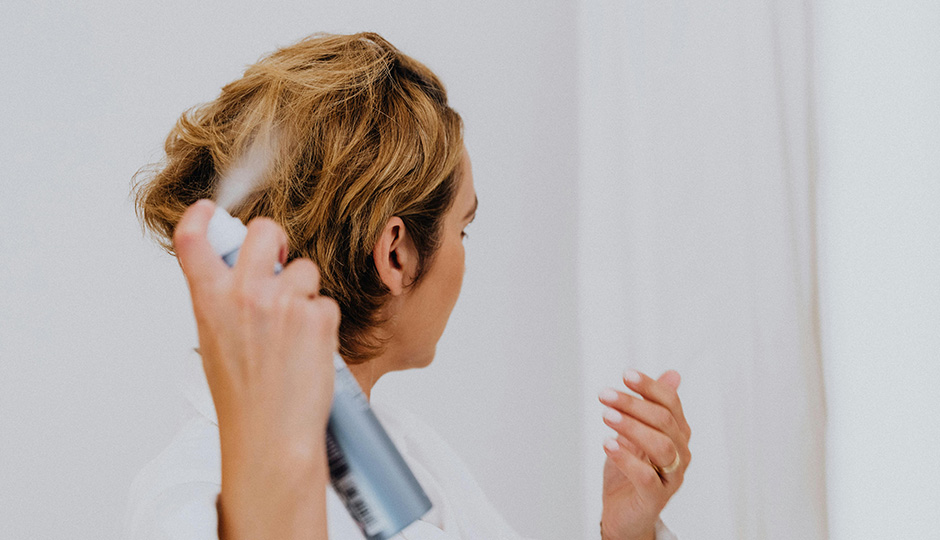
Dry shampoo is formulated to absorb excess scalp oil using ingredients such as starches, clays, or alcohol-based sprays. These powders cling to sebum, making hair appear fresher and cleaner, while increasing volume. While this can be a lifesaver on hectic days, it’s important to remember that dry shampoo is a cosmetic product and not a cleansing agent. Rather than removing dirt, oil, or buildup, dry shampoo temporarily masks the issue.
Where Problems Begin: Buildup and Follicle Stress
When used occasionally, dry shampoo is generally harmless. The trouble starts when it becomes a replacement for regular washing.
Overuse can lead to:
- Clogged follicles - Powder, oil, sweat, and dead skin cells can accumulate around the follicle opening. This accumulation may interfere with healthy hair growth cycles.
- Scalp inflammation - Clogged follicles can become irritated or inflamed, creating an environment where hair sheds more easily.
- Weakened strands - Dry shampoo can make hair feel thicker, but the powders can also create friction, making strands more prone to breakage.
- Altered scalp environment - A healthy scalp depends on a stable, well‑maintained environment. When buildup accumulates, it can alter that environment, often causing irritation, flaking, or dandruff‑like symptoms.
None of these issues causes permanent hair loss, but they can trigger excess shedding, thinning, or slower regrowth if not addressed.
Is Dry Shampoo Itself Damaging?
The ingredients in dry shampoo are not inherently harmful. The concern lies in frequency and technique. Using it once or twice a week is typically fine. Using it daily, or for long stretches in place of washing, can create conditions that lead to shedding.
Some formulations also contain alcohols or fragrances that may dry out the scalp or irritate sensitive skin. For individuals already prone to inflammation, eczema, or seborrheic dermatitis, this can accelerate shedding.
Signs You’re Overusing Dry Shampoo
If you rely on dry shampoo as part of your hair care routine, watch for:
- Itching or tenderness of the scalp
- Flakiness or gritty buildup
- Hair that feels dull, stiff, or unusually dry
- Increased shedding in the shower or on your brush
- Pimples or bumps along the hairline or scalp
These are early indicators that your scalp needs a reset.
How to Use Dry Shampoo Without Harming Your Hair
You don’t need to give up dry shampoo entirely. Instead, use it strategically:
- Limit use to once or twice per week.
- Apply only to the roots, holding the can 6–8 inches away to avoid concentrated buildup.
- Brush thoroughly after application to distribute the product and remove excess powder.
- Wash your hair regularly with a gentle, sulfate-free shampoo to fully cleanse the scalp.
- Incorporate scalp exfoliation once a week if you’re a frequent dry shampoo user.
- Choose cleaner formulations with fewer heavy fragrances or drying alcohols.
When Hair Loss Is More Than Dry Shampoo
Dry shampoo doesn’t directly cause hair loss, but overuse can lead to conditions that increase shedding and breakage. When used in moderation and paired with proper scalp care, it’s a safe and convenient tool. But remember: dry shampoo is a temporary refresh and not a substitute for washing your hair.
If shedding persists even after reducing dry shampoo use, other factors, such as hormonal changes, stress, nutritional deficiencies, genetics, or underlying scalp conditions, may be at play. Our team of experts at LH Hair can help identify the cause of your hair issue and make recommendations to improve the health of your scalp.
To learn more about dry shampoo and hair loss, contact us today and schedule your FREE initial consultation.