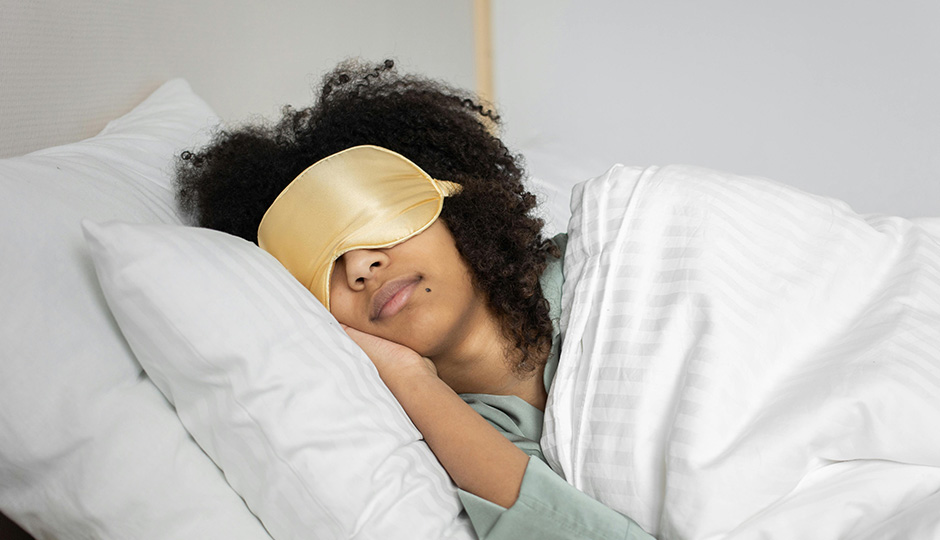
While most people think of sleep as a time for rest, your body uses it to repair, restore, and recalibrate essential systems, including those that influence your hair's health. While nutrition, hormones, and scalp health are often the main focus of hair‑growth conversations, sleep is an equally powerful factor that's often overlooked.
Why Sleep Matters for Hair Health
Hair growth is a biologically active process, with each of your hair follicles cycling through several distinct phases of growth. For these phases to function properly, your body relies on hormonal balance, cellular repair, and adequate blood flow, all of which are strongly influenced by your sleep patterns.
During deep sleep, the body increases growth hormone production, a key player in tissue repair and regeneration. This increase also affects the cells that form the hair shaft and support the follicle. When sleep is disrupted or insufficient, the body produces less of this hormone, slowing the natural repair cycle and potentially weakening hair over time.
The Stress–Sleep–Hair Loss Triangle
One of the most direct links between sleep and hair growth is stress. Poor sleep elevates cortisol, the body's primary stress hormone. Chronically high cortisol can disrupt the hair‑growth cycle, pushing more follicles prematurely into the telogen or shedding phase. This condition, known as telogen effluvium, often appears several weeks after a period of poor sleep or heightened stress.
Even if shedding isn't immediately noticeable, elevated cortisol can gradually shrink follicles, reduce hair density, and increase breakage. Restorative sleep helps regulate cortisol levels, giving your follicles the stable environment they need to thrive.
Sleep and Scalp Circulation
Healthy hair growth depends on a strong network of tiny blood vessels that deliver oxygen and nutrients to the follicles. During sleep, blood flow naturally increases to the skin and scalp, supporting follicular activity and cellular turnover. When your sleep is broken or too short, this circulation boost is reduced, limiting the nutrients available to support healthy growth. Individuals who consistently sleep poorly often experience dullness, dryness, or slower growth over time.
Hormonal Rhythms and Hair Growth
Your body follows a circadian rhythm, a 24‑hour internal clock that regulates everything from metabolism to hormone production. Hair follicles also have their own circadian rhythm, influencing when they grow, rest, and repair.
Irregular sleep patterns, such as staying up late, shift work, or inconsistent bedtimes, can disrupt these rhythms. When the body's internal clock is out of sync, hormonal signals that support hair growth may also become irregular. Over time, this can contribute to thinning, shedding, or slower regrowth.
How to Improve Sleep for Better Hair Health
Supporting healthy sleep doesn't require dramatic lifestyle changes. Small, consistent habits can make a meaningful difference:
- Establish a consistent sleep schedule. Going to bed and waking up at the same time helps regulate your circadian rhythm.
- Create a calming nighttime routine. Gentle stretching, reading, or a warm shower can signal to your body that it's time to wind down.
- Limit blue light exposure. Phones and screens suppress melatonin, the hormone that helps you fall asleep.
- Support your body nutritionally. Magnesium, omega‑3 fatty acids, and B vitamins all play roles in sleep quality and hair health.
- Keep your sleep environment cool and dark. This type of sleep environment promotes deeper, more restorative sleep cycles.
The Connection Between Sleep Patterns and Hair Growth
Sleep is far more than a passive state; it's a foundational pillar of your health, including the growth of healthy hair. When your sleep patterns are consistent and restorative, your body can regulate hormones, reduce stress, repair follicular cells, and support the natural growth cycle. For anyone experiencing shedding, thinning, or slow regrowth, evaluating sleep habits is a powerful and often overlooked step toward healthier, stronger hair.
At LH Hair, we take a holistic approach to hair growth. Sleep is just one of the many factors that can impact your hair, and our team of experts can help you identify those affecting your hair growth. To learn more about the connection between sleep patterns and hair growth, as well as other factors affecting your hair's health, contact us today and schedule your FREE initial consultation.