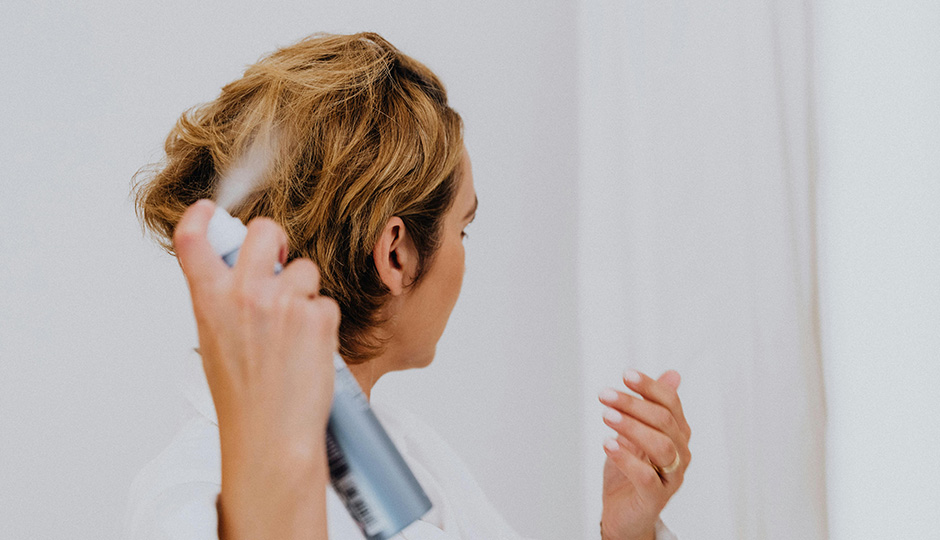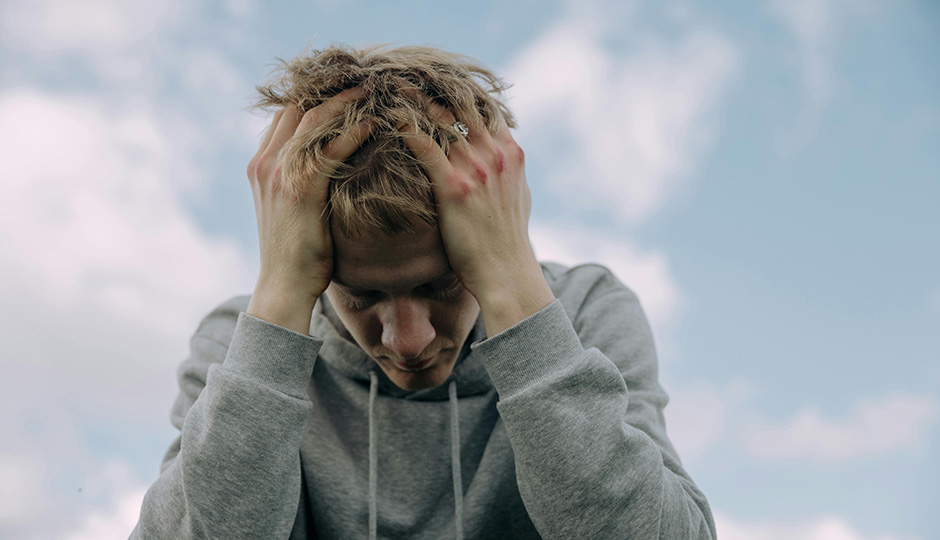
Hair loss is one of the most common concerns men face as they age, but it often begins early. While genetics plays a significant role, it's not the only factor. Understanding the underlying causes is the first step toward choosing the right solutions and feeling more in control of your hair health. Here are nine of the most common reasons men experience thinning or shedding.
1. Genetic Hair Loss (Androgenetic Alopecia)
The most frequent cause of men's hair loss is androgenetic alopecia, also known as male‑pattern baldness. This hereditary condition causes hair follicles to gradually shrink, leading to the production of thinner hair strands. It typically starts with a receding hairline or thinning at the crown and progresses in a predictable pattern. Genetics determines how sensitive your follicles are to DHT, a hormone that contributes to follicle miniaturization.
2. Hormonal Changes
Hormones influence many body systems, including hair growth. Thyroid imbalances, changes in testosterone metabolism, and other endocrine shifts can disrupt the hair growth cycle. When hormones fluctuate, follicles may prematurely enter the resting phase of the growth cycle, leading to increased shedding.
3. Stress and Emotional Shock
High stress levels can trigger a temporary condition called telogen effluvium, where more hairs than usual shift into the shedding phase. This condition sometimes happens after illness, surgery, significant life changes, or prolonged emotional strain. While this type of hair loss is usually temporary, it can be alarming when large amounts of hair fall out at once.
4. Nutritional Deficiencies
Hair relies on consistent nourishment. Low levels of iron, zinc, vitamin D, protein, or essential fatty acids can weaken follicles and slow growth. Crash dieting, restrictive eating patterns, or chronic poor nutrition can all contribute to thinning hair. When the body lacks nutrients, it prioritizes vital organs over hair production.
5. Medical Conditions
Several health conditions can cause or contribute to hair loss. Autoimmune disorders such as alopecia areata can lead to sudden, round bald patches. Thyroid disease, anemia, diabetes, and certain infections, including fungal infections like ringworm, may also affect hair growth. Identifying and addressing the underlying condition is key to improving hair health.
6. Medications and Treatments
Some prescription medications list hair loss as a potential side effect. Drugs used for cancer treatment, arthritis, depression, high blood pressure, gout, and heart conditions may impact the hair growth cycle. Chemotherapy, in particular, can cause widespread shedding, though hair often regrows once treatment ends.
7. Hairstyles and Physical Damage
Repeated tension on the hair, caused by tight braids, ponytails, or styles that pull at the scalp, can lead to traction alopecia. Over time, this stress can damage follicles, leading to breakage or thinning. Harsh chemical treatments, excessive heat styling, and hot‑oil applications may also weaken the hair shaft and contribute to shedding.
8. Aging
As men get older, hair naturally becomes finer, grows more slowly, and may not replace itself as efficiently. This age‑related thinning is normal, but it can be compounded by other factors, such as genetics or stress, to accelerate visible hair loss.
9. Scalp Conditions and Inflammation
A healthy scalp is essential for healthy hair growth. Conditions such as seborrheic dermatitis (dandruff), psoriasis, and chronic scalp inflammation can disrupt the hair growth cycle and weaken follicles. When the scalp becomes irritated or inflamed, it can interfere with the environment hair follicles need to function properly. Over time, untreated scalp conditions may contribute to increased shedding or slower regrowth. Managing scalp health with proper care and treatment can help restore a healthier foundation for hair growth.
A Supportive Path Forward
While hair loss can feel frustrating or discouraging, understanding its causes opens the door to finding a solution. Whether the issue is genetics, stress, or lifestyle factors, there are effective ways to support healthier hair and restore confidence.
At LH Hair, we take a personalized, compassionate approach to men's hair restoration. Our team understands the emotional impact of thinning hair, and we work closely with each client to identify underlying concerns and recommend options that align with their goals, comfort level, and lifestyle. With expert guidance and a supportive environment, you don't have to navigate hair loss alone.
To learn more about the causes of men's hair loss, contact us today and schedule your FREE initial consultation.