
Welcoming a new baby into the world is a life-changing experience filled with joy, exhaustion, and a whirlwind of physical changes. Among the many surprises that come with motherhood, one that often catches new moms off guard is postpartum hair loss.
If you've noticed more strands in your brush or shower drain, you're not alone—and you're definitely not doing anything wrong. Let's take a closer look at what postpartum hair loss is, why it happens, and how you can manage it with confidence.
What Is Postpartum Hair Loss?
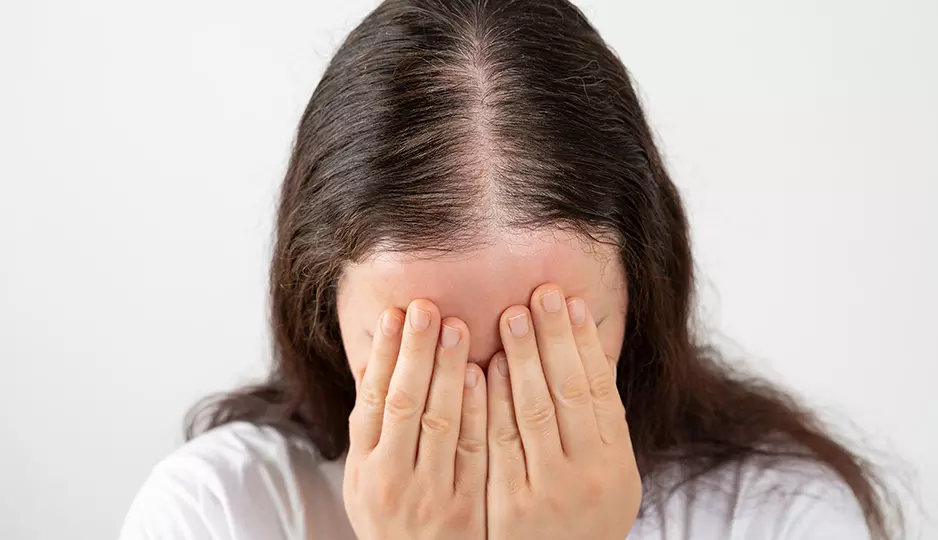
Postpartum hair loss, also known as telogen effluvium, is a common condition that affects many women after childbirth. During pregnancy, elevated estrogen levels prolong the growth phase of hair, making it thicker and more lustrous. But once you give birth, those hormone levels drop sharply, and the hair that was "held back" from shedding suddenly begins to fall out.
This shedding typically starts around two to four months postpartum and can last several months. While it might feel alarming, it's usually temporary and not a sign of a deeper health issue.
Why Does It Happen?
The main culprit behind postpartum hair loss is hormonal fluctuation. Estrogen plays a key role in hair growth cycles. During pregnancy, high estrogen levels keep hair in the anagen (growth) phase longer than usual. After you give birth, estrogen levels plummet, and hair enters the telogen (resting) phase, leading to increased shedding.
Other contributing factors may include:
- Stress: The emotional and physical stress of childbirth and caring for a newborn can exacerbate hair loss.
- Nutritional deficiencies: Iron, zinc, and vitamin D levels may dip postpartum, affecting hair health.
- Sleep deprivation: Poor sleep can disrupt hormonal balance and impact hair growth.
How to Manage Postpartum Hair Loss
While you can't stop postpartum hair loss entirely, there are ways to minimize its impact and support healthy regrowth.
Be Gentle With Your Hair
Avoid tight hairstyles, excessive brushing, and hot styling tools. Use a wide-tooth comb and opt for gentle, sulfate-free shampoos and conditioners.
Eat a Balanced Diet
Focus on nutrient-rich foods that support hair health, including leafy greens, eggs, nuts, seeds, and lean proteins. Consider a postnatal vitamin if recommended by your healthcare provider.
Scalp Care
Massaging your scalp can stimulate blood flow and encourage hair growth. Some moms find success with topical treatments like rosemary oil or biotin-infused serums.
Stay Hydrated and Rested
While it's easier said than done, hydration and sleep are crucial for overall wellness, including your hair.
What to Expect
Postpartum hair loss can feel like one more thing to worry about during an already overwhelming time. But remember: it's a natural, temporary phase that many moms go through. Your body has just done something incredible, and it's adjusting in its own time.
Most women find that their hair returns to its normal growth cycle within 6 to 12 months postpartum. You may notice baby hairs sprouting along your hairline as regrowth begins. In the meantime, consider embracing hairstyles that add volume or camouflage thinning areas, such as messy buns, headbands, or layered cuts.
What Can You Do?
While postpartum hair loss is normal, if your hair loss persists beyond a year or seems excessive, it may be time to speak with our team of experts. In addition to hormonal changes, several factors, including genetics, medical conditions, medications, or stress, can lead to hair loss. Our team can help determine the cause of your condition and provide guidance on how to best support hair regrowth.
So be kind to yourself and your hair. Nourish your body, care for your scalp, and watch your hair bounce back. To learn more about postpartum hair loss and what new moms need to know, contact us today and schedule your FREE initial consultation.